Why We Moved to Rotational Grazing — And What Changed
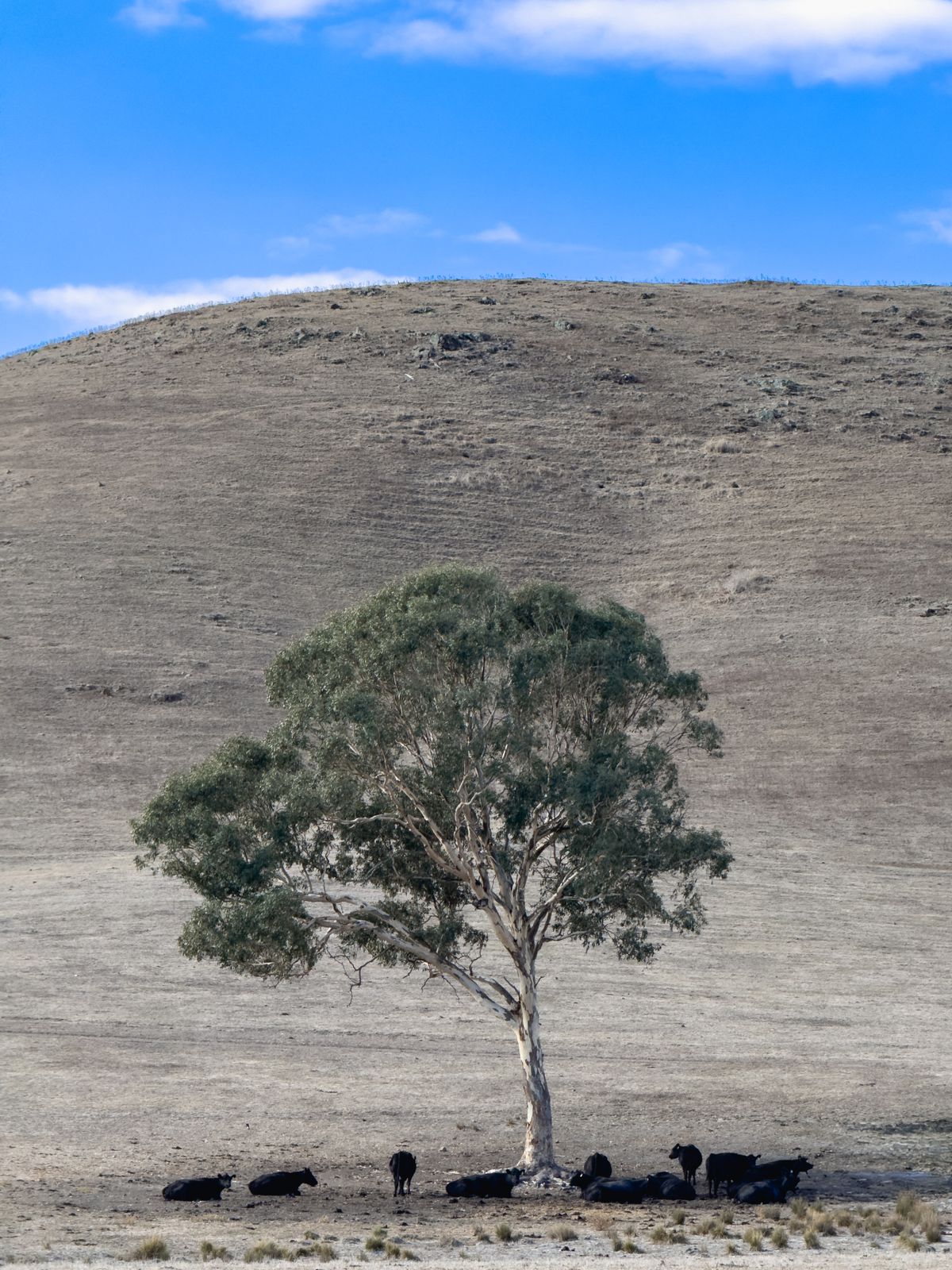
Three years ago, we fenced our 480 acres into 22 paddocks, bought a solar-powered water system, and committed to moving our sheep and cattle on a rotation rather than letting them roam freely across the whole property. It was the most expensive and labour-intensive change we’d ever made to the farm. It was also, without question, the best.
Here’s what actually changed — in the soil, in the animals, and in the numbers.
What We Were Doing Before
Like most farms in this region, we ran a set-stocking system for our first four years. The animals had access to large paddocks and moved when we thought the feed looked light, or when we were mustering for other reasons. It was the way the land had been managed for decades before us, and it felt normal.
What we noticed, slowly, was a pattern of degradation. Some areas of the property were heavily grazed year-round — particularly around water points and sheltered spots — while others were overgrown and rank. The bare patches expanded after dry spells and didn’t fully recover. Weed pressure was increasing. The lambs’ growth rates were inconsistent.
We knew the land wasn’t performing as well as it should. What we didn’t know was why, or what to do about it.
The Decision to Change
The shift came after attending a holistic planned grazing workshop in 2021, run by a mob of farmers who’d been trialling high-intensity rotational systems in similar country to ours. Seeing their before-and-after pasture data was striking. Seeing their before-and-after soil carbon data was extraordinary.
The principle is simple, even if the management isn’t: animals graze a paddock hard and briefly, then it rests for an extended period — long enough for the plants to fully recover and for soil biology to stabilise. The key insight is that it’s not just the grazing that matters. It’s the rest.
“Grass doesn’t just need to be eaten. It needs time to recover, root deeply, and build the soil organic matter that holds water, feeds microbes, and captures carbon. Set-stocking denies it that time.”
The Infrastructure Cost
We won’t pretend the transition was cheap. Subdivision fencing across 480 acres, three new water troughs on solar pumps, and the laneway system to move stock efficiently between paddocks cost us around $85,000 over two years. That’s a significant investment for a farm our size.
We funded it partly through an on-farm infrastructure grant and partly by tightening everything else that year. It was a lean period. But we’d modelled the numbers and believed the carrying capacity improvement would repay the cost within five to seven years.
We’re now three years in, and we’re tracking ahead of that projection.
What Changed in the Pasture
The most visible change, and the one that happened fastest, was in pasture composition and density. Within eighteen months of starting the rotation, the bare patches around the old water points had greened over. Species diversity increased noticeably — including several native grasses we hadn’t seen in significant quantities before.
By year two, we were running approximately 18% more dry sheep equivalents on the same land area without supplementary feed. The pasture was producing more and recovering faster because it wasn’t being continuously depressed.
What Changed in the Animals
This was the surprise. We expected pasture improvements. We didn’t fully expect how differently the animals would behave and perform.
Sheep and cattle on a rotation graze more efficiently. When they’re moved onto a fresh paddock, they eat with focus and cover the ground evenly — they’re not selectively grazing around areas they’ve already worked over. Body condition scores improved across the flock. Weaning weights in our lambs increased by an average of 3.2 kg over two seasons.
Drenching frequency also dropped. We attribute this partly to the rest periods interrupting the worm lifecycle in the pasture, and partly to animals in better condition having stronger natural resistance.
What Changed in the Soil
We had baseline soil tests done before we started and repeated them at the end of year two. The results across our core paddocks showed:
- Soil organic carbon up from an average of 2.1% to 2.8%
- Soil water-holding capacity measurably improved
- Earthworm counts significantly higher in rested paddocks
- pH moving slightly toward neutral in previously acidic areas
Soil carbon is a slow mover. Seeing meaningful increases in two years surprised our agronomist. He attributed it to the combination of increased root depth from longer recovery periods, greater litter cover from ungrazed areas, and the impact of concentrated hoof action followed by extended rest — which stimulates microbial activity.
What’s Still Hard
Rotational grazing requires more attention than set-stocking. You’re making decisions every few days about whether a paddock is ready to graze, what the rest period should be given current growth rates, and how to manage the system through drought when growth slows and rest periods need to extend dramatically.
In a dry year, the temptation to cut rest periods short and keep the rotation moving is real — and it’s the wrong call. The discipline of letting paddocks rest even when you’re nervous about feed is one of the harder aspects of the system to maintain. We’ve made that mistake once. We won’t again.
Would We Do It Again?
Without hesitation. The land looks different. The animals perform differently. The numbers are moving in the right direction. And there’s something less tangible but equally real: the farm feels healthier. The soil under your feet has a different quality. The grass has a density and variety it didn’t have before.
We came into farming believing that good land management and good business weren’t in tension. Rotational grazing has been the clearest proof of that so far.
If you’re farming similar country and considering the switch, feel free to reach out. We’re not experts — we’re still learning — but we’re happy to share what we’ve found.
Follow the journey
Pilgrim Ridge Farm — A Farm in the Making
Subscribe to get updates on the land, the planning, and everything we’re learning along the way.
More from the Journal
Lambing Season: What Really Happens at 2am
Read more →